
7 Proven Ways to Reduce Electricity Bills in Southern California (2026 Checklist)
/
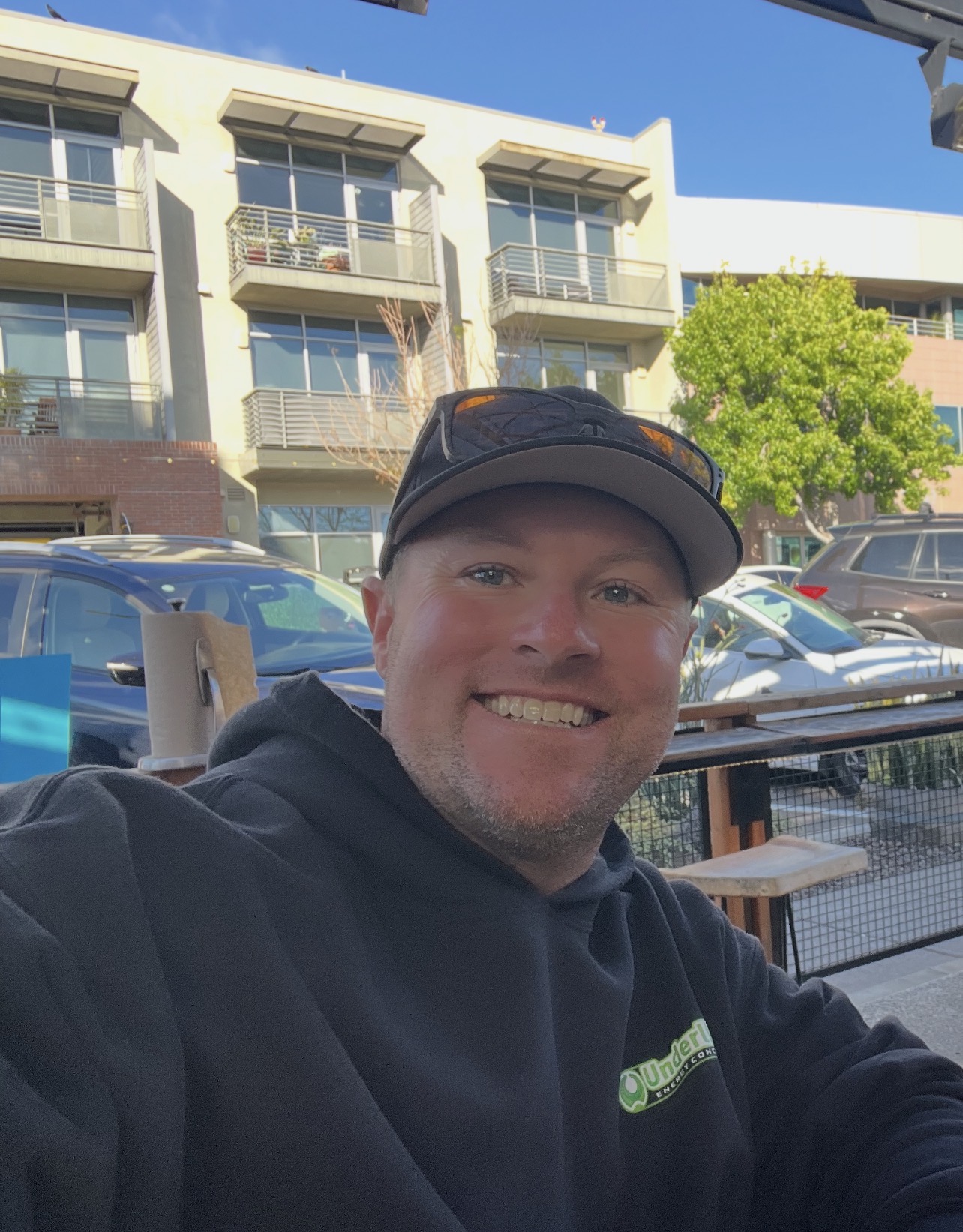
Article by
Jesse Malone
Jesse Malone
CEO & Partner, Underline Energy Concepts
Jesse Malone is the CEO and Partner of Underline Energy Concepts, a Southern California energy services company that has been serving homeowners since 2002. Since joining the company and becoming a partner in approximately 2015, Jesse has helped lead its growth into one of Southern California’s most trusted providers of residential energy efficiency and home improvement solutions.
Throughout his tenure, Jesse and the Underline Energy team have completed more than 2,500 energy upgrade projects for homeowners across Southern California. These projects include solar energy systems, roofing, battery storage, EV charging stations, electrical panel upgrades, water heater replacements, attic insulation, retrofit windows, and other energy-efficient home improvements designed to lower utility costs and increase property value.
Jesse holds a Bachelor’s Degree from California Southern University and brings more than 20 years of experience in emergency services through his service with the fire department. His background in public service has shaped his leadership style, emphasizing integrity, accountability, safety, and a commitment to serving the community.
A lifelong advocate for efficiency and practical solutions, Jesse is passionate about helping homeowners make informed decisions that improve both their homes and their financial future. His interests extend beyond energy efficiency into financial literacy, budgeting, investing, and long-term wealth-building strategies. He believes that reducing unnecessary expenses and maximizing efficiency are key components of financial success.
As CEO, Jesse continues to focus on delivering exceptional customer experiences, building high-performing teams, and helping Southern California homeowners achieve greater comfort, energy independence, and long-term savings through smart home investments.
Since 2014, Southern California Edison rates have surged by over 80 percent, and with 2026 residential rates now averaging around 35 cents per kilowatt-hour, your monthly utility bill can feel like a second mortgage. You've likely noticed that even when you're diligent about turning off the lights, those SCE and SDG&E rate hikes keep coming. It's an exhausting cycle, especially when record-breaking heat waves make your air conditioner work overtime. If you're wondering whether to invest in solar or upgrade to an energy efficient HVAC Southern California homeowners can trust, you aren't alone.
Based here in Lake Elsinore, our employee-owned team at Underline Energy Concepts believes you deserve autonomy over your home's energy costs. This checklist reveals how to slash your utility bills by prioritizing your home's "envelope" before you spend a dime on new technology. You'll discover how to navigate 2026 local rebates from LADWP and SoCalGas while understanding the impact of the latest Title 24 standards. We've simplified the complex world of heat pumps, insulation, and time-of-use rates into a prioritized plan that delivers long-term financial stability and immediate relief from the summer heat.
Key Takeaways
- Master the "Envelope First" strategy to stop heat gain at the source and significantly reduce the cooling load on your home.
- Discover why upgrading to an energy efficient HVAC Southern California system, when paired with a whole house fan, provides the best balance of comfort and cost savings.
- Learn how to use whole-home battery backup to bypass expensive peak-hour rate hikes and gain true energy independence from local utilities.
- Identify the specific 2026 local rebates and incentives available for high-efficiency upgrades to maximize your return on investment.
Why Southern California Electricity Bills Are Skyrocketing in 2026
If your monthly statement feels like a financial gut punch, you aren't imagining things. Southern California Edison (SCE) residential electricity rates have climbed approximately 83 percent since 2014. As of June 2026, the average residential rate sits at 34.4 cents per kWh, with some projections pushing that number even higher. Your bill isn't skyrocketing because you left a phone charger plugged in. While "vampire loads" from small electronics used to be the scapegoat, they can't explain $500 monthly totals. The real culprits are structural shifts in how utilities charge for power and the increasingly extreme climate in our region.
The biggest change involves the aggressive expansion of Time-of-Use (TOU) windows. These plans are designed to penalize energy consumption when the grid is most stressed. In 2026, peak hours typically fall between 4 p.m. and 9 p.m. This creates a perfect storm for homeowners. You return from work just as the sun is hitting your western windows, the house is heat-soaked, and the utility company is charging you their highest rates, which can reach up to 74 cents per kWh. Understanding the shift toward an energy efficient HVAC Southern California homeowners can rely on starts with realizing that the grid is no longer your friend during the evening hours.
The 2026 Utility Landscape in Riverside and Beyond
Homeowners in Lake Elsinore, Menifee, and Riverside face a steeper challenge than those on the coast. Inland temperatures regularly spike 15 to 20 degrees higher, forcing your system to run longer just to maintain a safe indoor environment. The "Peak Hour Trap" is particularly brutal here. Because the air stays warm well into the evening, your AC might run at full capacity during those 74-cent-per-kWh windows. This double-whammy of high demand and maximum pricing is why inland bills are often double or triple the state average.
Why Your Current AC is Working Harder for Less
Most cooling systems hit an efficiency cliff after 10 years. In 100-degree weather, an aging unit might lose 20 to 30 percent of its cooling capacity while consuming the same amount of power. Modern, energy efficient HVAC Southern California installations now utilize SEER2 ratings. SEER2 is a metric that measures a system’s cooling efficiency under more rigorous, real-world external pressure conditions to ensure it performs when the heat is actually on.
However, even a new unit will struggle if your Building Envelope is compromised. If your attic lacks proper insulation or your ductwork is leaky, your AC enters a "constant-run" cycle. It stays on indefinitely because the cool air escapes as fast as the machine can produce it. At Underline Energy Concepts, we see this daily in older SoCal developments. We focus on fixing the shell of your home so your equipment doesn't have to fight a losing battle against the sun.
The "Envelope First" Strategy: Stopping Heat Before It Enters
Most homeowners make the mistake of buying a larger air conditioner to solve their comfort issues. That's like putting a high-performance engine in a car with four flat tires. Before you invest in technology, you must address your home’s shell. This "Envelope First" strategy focuses on the physical barrier between your living space and the harsh Riverside sun. By stopping heat before it enters your home, you reduce the workload on your equipment and lower your monthly overhead permanently.
Your attic is the primary battlefield in this fight. On a 100-degree day in Lake Elsinore, attic temperatures can easily soar past 150 degrees. This heat doesn't just sit there. It radiates downward through your ceiling, forcing your AC to run almost continuously. Radiant barriers act like a mirror for thermal energy, reflecting up to 97 percent of radiant heat away from your home. When you combine this with a cool roof system, which uses specialized shingles to reflect sunlight, you create a powerful defense that keeps your energy budget intact. When you begin Understanding Energy Efficiency Measures, it becomes clear that equipment performance is tethered to the environment it operates in.
Attic Insulation and Ventilation Upgrades
Modern standards for Southern California homes suggest higher R-values than what was common just a decade ago. If your insulation is level with or below your floor joists, you're losing money. We recommend attic insulation for heat reduction as a primary fix for any home built before 2015. Proper ventilation is equally critical. We update attic vents to meet current California fire codes while ensuring maximum airflow. This allows trapped heat to escape naturally, preventing your house from acting like an oven long after the sun goes down.
Windows and Roofing: The Outer Defense
Aged single-pane windows are notorious "hot spots" that allow UV rays to bake your interior. Upgrading these, along with your roof, provides the ultimate outer defense. At Underline Energy Concepts, we prioritize integrated roofing and solar installation because it ensures your roof's structural integrity is perfect before panels are ever mounted. This synergy protects your home and optimizes the performance of an energy efficient HVAC Southern California system by significantly lowering the ambient temperature of the structure. If you aren't sure where your home is leaking energy, you can schedule a professional energy assessment with our Lake Elsinore team to identify your highest-priority upgrades.

High-Efficiency Cooling: SEER2 HVAC vs. Whole House Fans
Once you've secured your home's envelope, it's time to look at the machinery providing your comfort. In 2026, the standards for an energy efficient HVAC Southern California system have shifted. All new air conditioning installations must now meet SEER2 requirements. This new testing standard ensures your unit actually performs at its rated efficiency when the outside air is 100 degrees or higher. While a modern SEER2 unit is vastly superior to a fifteen year old model, relying solely on traditional refrigeration is an expensive way to stay cool. We advocate for a "Hybrid Cooling" approach that uses the right tool at the right time to keep your bills manageable.
A hybrid strategy involves using a whole house fan to delay the startup of your primary AC unit. By pulling in cool evening air and exhausting trapped attic heat, you can often keep your air conditioner off until the late afternoon. This avoids the most expensive Time-of-Use pricing windows entirely. Modern variable-speed compressors in high-efficiency systems also play a role; they don't just kick on at full power. Instead, they ramp up slowly to maintain a consistent temperature, which prevents the massive energy spikes that occur when older units cycle on and off.
The QuietCool Advantage for SoCal Homeowners
Thermal mass cooling is the secret weapon for our region. During the day, your home's walls, furniture, and floors soak up heat. Even after the sun goes down, this "thermal mass" continues to radiate heat into your living space. A QuietCool system exchanges the entire volume of air in your home 15 to 20 times per hour, which actually cools the structure itself, not just the air. This technology can slash your cooling costs by up to 90 percent compared to traditional AC. Our neighbors in Murrieta and Temecula benefit most from this because the evening temperatures drop significantly, providing a natural source of free cooling. You can see a detailed breakdown of these savings in our guide on QuietCool vs Traditional AC.
Modern HVAC and Heat Pump Technology
California is moving rapidly toward full home electrification. This shift makes heat pumps an attractive alternative to gas furnaces. A modern heat pump provides both heating and cooling with incredible precision. When paired with a hybrid water heater, you can eliminate a significant portion of your gas bill while improving overall safety. To maximize these benefits, you need to select the best whole house fan for cooling to support your primary system. This combination ensures that your energy efficient HVAC Southern California investment pays for itself through drastically reduced utility consumption year round.
Your 2026 Energy Efficiency Checklist: 7 Steps to Savings
Stopping the drain on your bank account requires a logical order of operations. Jumping straight to solar without fixing a leaky home is a common mistake that leads to oversized, expensive systems. By following this prioritized checklist, you ensure every dollar spent on your home delivers the maximum possible return on investment. Our team at Underline Energy Concepts has refined this process over two decades to help our neighbors gain true energy autonomy.
- Step 1: Conduct a professional energy audit and electrical inspection. You can't manage what you don't measure. A professional assessment identifies exactly where heat enters and where your cooled air escapes.
- Step 2: Seal the envelope. Address gaps in insulation, apply weather stripping, and ensure your windows aren't thermal bridges. This stabilizes your indoor climate before you even touch the thermostat.
- Step 3: Install a Whole House Fan. Use Southern California's cooler evening air to flush out day-time heat. This reduces the runtime of your energy efficient HVAC Southern California system by managing daily heat cycles naturally.
- Step 4: Upgrade to a smart thermostat. Automate your home to shift usage away from the expensive 4 p.m. to 9 p.m. Time-of-Use windows. These devices pay for themselves by ensuring you never accidentally cool an empty house during peak rates.
- Step 5: Replace aging appliances with high-efficiency hybrid models. Focus on your water heater first. A hybrid water heater uses heat pump technology to provide hot water at a fraction of the cost of traditional gas or electric units.
- Step 6: Install high-efficiency solar panels. Once your home's demand is reduced, a solar installation can cover your remaining needs with a much smaller, more affordable array.
- Step 7: Add whole home battery backup. Store your own solar power to use during those 74-cent-per-kWh evening peaks, effectively "erasing" the most expensive part of your utility bill.
Prioritizing Your Home Upgrades
We always advocate for "reduction before production." This means lowering your home's energy appetite through insulation and efficient cooling before you try to produce power with solar. If you put solar on a leaky, inefficient home, you're essentially paying to "cool the neighborhood." Before you make a purchase, always check for SCE marketplace rebates to see which high-efficiency models qualify for immediate savings.
Leveraging Local SoCal Incentives
The rebate landscape in 2026 is complex, especially for Riverside County residents. While programs like HEEHRA are currently on a waitlist, local incentives through SoCalGas for attic insulation and high-efficiency furnaces remain active on a first-come, first-served basis. As an employee-owned company based in Lake Elsinore, we stay on top of these shifting regulations to help you maximize every available credit. Always ensure you use a licensed general contractor for these installs; it's often a requirement for rebate eligibility and ensures your energy efficient HVAC Southern California upgrade meets strict 2026 safety standards. To get started on your customized energy plan, schedule a comprehensive home energy inspection with our local experts today.
Achieving Energy Independence with Solar and Battery Storage
Once you've optimized your home's envelope and installed an energy efficient HVAC Southern California system, you've significantly lowered your demand. The final step is to take control of your supply. In 2026, Southern California Edison rates are no longer just a monthly expense; they're a volatile liability. By transitioning from a passive consumer to an active energy producer, you insulate your family from future rate hikes and grid instability. This is the ultimate level of home optimization, where you stop reacting to utility changes and start dictating your own costs.
Solar panels serve as your primary defense. While the "Envelope First" strategy prevents heat from entering, solar ensures that the energy you do use is generated right on your roof. This shift is about more than just monthly savings. It's about autonomy. You stop renting your power and start owning your infrastructure. At Underline Energy Concepts, we integrate solar installations with roofing and electrical upgrades to ensure your entire system works as a single, cohesive unit. This holistic approach prevents the common headaches that occur when different contractors work on your roof and electrical panel separately.
Solar and Battery: The Power Couple
The 2026 utility landscape makes storage a necessity. Because peak rates often hit between 4 p.m. and 9 p.m., your solar panels are usually winding down just as electricity becomes most expensive, reaching up to 74 cents per kWh. This is where battery backup becomes your most valuable asset. A battery allows you to "shift" the clean energy produced at noon to the expensive hours of the evening. We utilize SolarEdge technology to give you real-time visibility into this process, showing exactly how much you're producing and saving. For our high-heat environments like Riverside and Lake Elsinore, we recommend REC solar panels because they maintain higher efficiency levels even when temperatures soar, ensuring your energy efficient HVAC Southern California system has plenty of power during the hottest part of the day.
Taking the Next Step with Underline Energy Concepts
We aren't a faceless corporation. Underline Energy Concepts is a local, employee-owned brick-and-mortar company based in Lake Elsinore. We've served Southern California since 2002, and we understand that energy independence is a long-term commitment. To support modern electrification, we often perform 200 amp or 400 amp electric panel upgrades. This future-proofs your home for EV charging, heat pumps, and additional storage. Quality workmanship and customer education are our hallmarks. We want you to understand your system as well as we do. If you're ready to stop the cycle of unpredictable utility bills, contact us for a comprehensive energy inspection. Let's build a plan that secures your financial and environmental future.
Take Control of Your Energy Future Today
Managing the rising costs of Southern California utility rates doesn't have to be a source of constant stress. By prioritizing your home's envelope and integrating an energy efficient HVAC Southern California system with a whole house fan, you create a sustainable defense against peak hour pricing. Shifting your focus toward energy independence through solar and battery storage isn't just a tech upgrade; it's a practical financial decision that provides long term stability for your household. You have the power to stop renting your energy and start owning your comfort.
At Underline Energy Concepts, we've served our neighbors across the region since 2002. As an employee owned company based in Lake Elsinore, we take pride in being your licensed roofing, electrical, and general contractor partner. We don't just sell products. We design comprehensive solutions that protect your property value and your peace of mind. Our team is ready to help you navigate the 2026 energy landscape with confidence and expertise.
Ready to see exactly where your home is losing money? Schedule Your Professional Energy Inspection with Underline Energy Concepts today. Let's work together to build a more efficient, comfortable, and independent home for the future.
Frequently Asked Questions
How much can I actually save by switching to a Whole House Fan in SoCal?
You can reduce your cooling costs by up to 90 percent compared to traditional air conditioning. By pulling in cool evening air and exhausting heat from your attic, these systems allow you to keep the AC off for longer periods. Homeowners in inland areas like Murrieta and Temecula see the quickest returns because our nights cool down significantly, making this a highly effective tool for managing daily heat cycles.
Is solar still worth it in Southern California in 2026 with new utility rules?
Solar remains the ultimate defense against 2026 rate hikes, which have reached an average of 34.4 cents per kWh for SCE customers. While net metering rules have changed, owning your power production protects you from future utility volatility. When paired with a battery, you can avoid the most expensive evening rates, ensuring your investment pays for itself through long term energy independence.
What is the most cost-effective energy upgrade to start with?
Improving your home's envelope through attic insulation is widely considered the most cost-effective starting point. It's a "reduction before production" strategy that lowers your home's energy appetite immediately. By preventing heat from radiating through your ceiling, you reduce the workload on your HVAC system, which extends the life of your equipment and lowers your monthly overhead without a massive initial investment.
Do I need to replace my roof before installing solar panels?
If your roof is more than 10 to 15 years old, we strongly recommend replacing or repairing it before mounting solar panels. Panels are designed to last 25 years or more; removing and reinstalling them later to fix a leak is an expensive and unnecessary headache. As a licensed roofing contractor, we provide integrated solutions that ensure your roof's structural integrity matches the lifespan of your new solar array.
What are the current rebates for energy-efficient HVAC in Riverside County?
Riverside County residents can currently access various incentives, including SoCalGas rebates for high-efficiency furnaces and attic insulation. While some state programs are on waitlists, the SCE Marketplace continues to offer rebates for smart thermostats and energy efficient HVAC Southern California systems. We help you navigate these shifting 2026 local programs to ensure you maximize every available dollar for your home improvements.
How does attic insulation affect my summer electricity bills?
Attic insulation acts as a thermal barrier that stops 150-degree attic heat from migrating into your living space. Without proper insulation, your air conditioner must work twice as hard to combat the heat radiating from your ceiling. Upgrading to modern R-value standards keeps your home cooler for longer, which directly translates to shorter AC runtimes and significantly lower electricity bills during intense SoCal heat waves.
Can a battery backup system help me avoid SCE peak pricing?
A battery backup system is specifically designed to help you bypass SCE's most expensive Time-of-Use rates. By storing solar energy during the day and discharging it between 4 p.m. and 9 p.m., you avoid paying up to 74 cents per kWh. This "load shifting" strategy gives you total autonomy over your energy costs and ensures your home remains powered even during grid outages or public safety power shutoffs.
What is the difference between SEER and SEER2 for air conditioners?
SEER2 is the updated efficiency standard that replaced the original SEER rating to provide more accurate, real-world performance data. The new testing protocols account for the higher external static pressure often found in residential ductwork. When shopping for an energy efficient HVAC Southern California unit, looking for the SEER2 label ensures the system is built to meet the latest 2026 California Title 24 building standards.