
Hybrid Water Heaters: The Complete 2026 Guide for Southern California Homeowners
/

Article by
Jesse Malone
Jesse Malone
CEO & Partner, Underline Energy Concepts
Jesse Malone is the CEO and Partner of Underline Energy Concepts, a Southern California energy services company that has been serving homeowners since 2002. Since joining the company and becoming a partner in approximately 2015, Jesse has helped lead its growth into one of Southern California’s most trusted providers of residential energy efficiency and home improvement solutions.
Throughout his tenure, Jesse and the Underline Energy team have completed more than 2,500 energy upgrade projects for homeowners across Southern California. These projects include solar energy systems, roofing, battery storage, EV charging stations, electrical panel upgrades, water heater replacements, attic insulation, retrofit windows, and other energy-efficient home improvements designed to lower utility costs and increase property value.
Jesse holds a Bachelor’s Degree from California Southern University and brings more than 20 years of experience in emergency services through his service with the fire department. His background in public service has shaped his leadership style, emphasizing integrity, accountability, safety, and a commitment to serving the community.
A lifelong advocate for efficiency and practical solutions, Jesse is passionate about helping homeowners make informed decisions that improve both their homes and their financial future. His interests extend beyond energy efficiency into financial literacy, budgeting, investing, and long-term wealth-building strategies. He believes that reducing unnecessary expenses and maximizing efficiency are key components of financial success.
As CEO, Jesse continues to focus on delivering exceptional customer experiences, building high-performing teams, and helping Southern California homeowners achieve greater comfort, energy independence, and long-term savings through smart home investments.
Your home’s old gas water heater isn't just an appliance; it's a massive drain on your bank account that ignores the free energy sitting right in your Riverside or San Diego garage. In 2026, savvy Southern California homeowners are turning their utility closets into energy hubs by installing Hybrid Water Heaters. These systems act like a thermal battery, pulling warmth from the ambient air to heat your water for a fraction of the cost of traditional units.
It’s frustrating to watch local utility rates climb while you wonder if new technology can actually keep up with your family's hot water demands. At Underline Energy Concepts, we believe you deserve autonomy from rising costs without sacrificing comfort. This guide explains how you can slash your water heating bills by up to 70% while maximizing local SCE and Go Zero rebates worth up to $2,000. We'll break down the 2026 Title 24 requirements, address your concerns about recovery speeds, and show you how our Lake Elsinore based, employee owned team helps you achieve true energy independence.
Key Takeaways
- Understand how "fridge in reverse" technology captures ambient heat to provide reliable hot water while slashing your monthly utility costs.
- Discover why the Southern California climate makes your garage or utility room a gold mine for free energy extraction.
- Compare the performance of Hybrid Water Heaters against traditional gas and electric models to see which fits your family's recovery needs.
- Navigate the 2026 financial landscape, including the 30% federal tax credit and local SCE rebates that make upgrading more affordable than ever.
- Learn the critical electrical requirements for a seamless installation and how this upgrade integrates with solar and battery backup systems.
What is a Hybrid Water Heater and How Does It Work?
Most homeowners in Southern California think of a water heater as a simple metal tank with a burner or a heating element. Hybrid Water Heaters represent a significant leap forward in home technology. These are dual-technology appliances that combine traditional electric heating with a highly efficient heat pump. Instead of working hard to create heat from scratch, these units move heat from one place to another. This distinction is the secret to why they are so much cheaper to run in our sunny climate.
Think of your kitchen refrigerator. It stays cold by pulling heat from the inside and pushing it out into your home. A hybrid system does the exact opposite. It uses a fan to pull in warm air from your garage or utility room. This air passes over an evaporator coil containing refrigerant. To understand the physics behind this process, you can look at how heat pump technology works. The heat is concentrated by a compressor and then transferred to the water inside the tank. It is an incredibly elegant solution for regions like Lake Elsinore where ambient air is often warm.
The "hybrid" label comes from the dual heating sources. The heat pump handles the heavy lifting about 90% of the time. If you have a house full of guests taking back-to-back showers, the unit temporarily switches to standard electric heating elements to ensure you don't run out of hot water. You get the best of both worlds: extreme efficiency with a reliable safety net. While a standard electric heater turns one unit of electricity into less than one unit of heat, a hybrid unit can produce three to four units of heat for every unit of electricity used. That translates to 300% to 400% efficiency.
The Components of a Heat Pump System
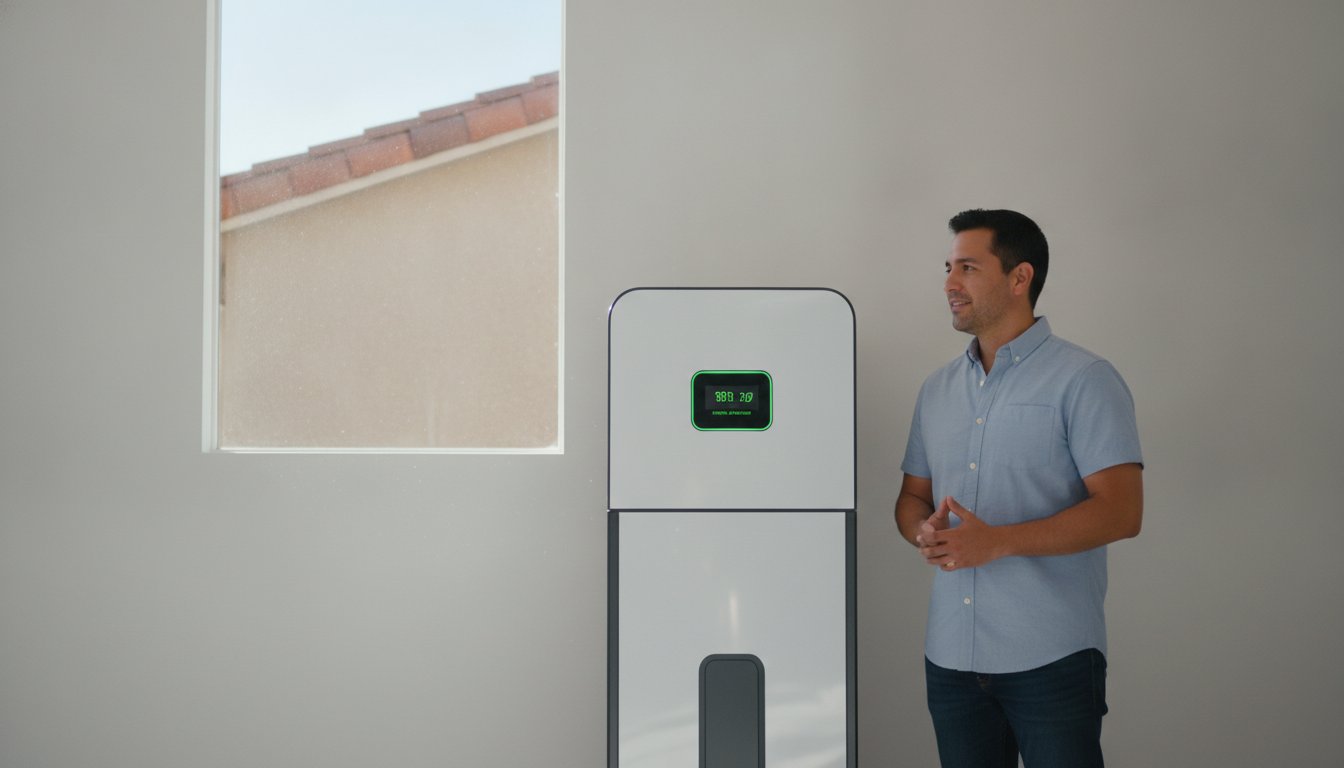
The hardware is mostly concentrated on the upper portion of the tank. A fan and compressor sit on top to circulate air and manage the refrigerant cycle. Inside, an evaporator coil captures thermal energy from the surrounding environment. Underneath this assembly, you still have the traditional insulated tank and backup electric elements. This design makes them slightly taller than old units, which is a key consideration our employee-owned team at Underline Energy Concepts evaluates during every local installation.
Understanding Energy Factor (UEF) Ratings
You'll see a UEF rating on the yellow EnergyGuide label of any new unit. This Uniform Energy Factor tells you how much of the energy used actually goes into heating your water. Old gas tanks often hover around a 0.6 UEF. Standard electric tanks are usually near 0.9. Modern Hybrid Water Heaters frequently reach 3.5 or higher. In 2026, California’s Title 24 standards lean heavily on these high UEF ratings to meet state energy goals. A higher UEF directly translates to more money staying in your pocket every month.
Why Southern California is the Ideal Climate for Hybrid Water Heaters
While homeowners in the Northeast worry about their heat pumps losing efficiency during a blizzard, Southern California residents enjoy a massive geographical advantage. Hybrid Water Heaters rely on ambient air temperature to function. The warmer the air, the less work the compressor has to do. In cities like Lake Elsinore, Corona, and Menifee, our summer temperatures provide an endless supply of "free fuel" for your water heater. This makes the Inland Empire one of the most cost-effective places in the country to adopt this technology.
A garage in Riverside County during July isn't just a place to park your car; it's a gold mine of thermal energy. A standard gas water heater simply burns fuel to create heat, often wasting much of it through the flue. In contrast, a hybrid system harvests the existing heat trapped in your garage. As it pulls in that hot air, it releases cool, dry air as a byproduct. This secondary benefit effectively acts as a small air conditioner and dehumidifier for your garage. It makes the space more comfortable for hobbies or storage while you save on utility bills.
Installation in Unconditioned Spaces
Garages are the preferred installation site for most local projects. Because the heat pump needs to "breathe," the unit requires a certain volume of air to operate at peak efficiency. Typically, this means a space of about 1,000 cubic feet, which a standard two-car garage easily provides. If you're planning an install in a smaller closet, we may recommend louvered doors to maintain airflow. Another practical consideration is the condensate. Just like an AC unit, these heaters pull moisture from the air. Our team ensures this water is safely drained away, protecting your home’s foundation and preventing slip hazards. You can explore available California water heater incentives to see how these efficient installs are being supported statewide.
Performance During SoCal Heatwaves
When outdoor temperatures soar past 90 degrees, most appliances struggle. Hybrid Water Heaters actually thrive in these conditions. The hotter the ambient air, the faster the heat exchange process occurs. This high-heat performance ensures your recovery times stay fast even during peak demand periods. It’s a common-sense solution for our region’s unique climate challenges. If you aren't sure if your garage layout is right for a new system, you can speak with one of our local experts to schedule a walkthrough of your home's energy needs. Our employee-owned team is here to help you navigate these choices with confidence.

Hybrid vs. Traditional Water Heaters: Addressing the Skepticism
Choosing between a new tank and sticking with what you know often comes down to trust. While standard electric heaters are cheap to buy, they are punishingly expensive to operate. Gas heaters are familiar; however, they require venting and carry combustion risks. Hybrid Water Heaters eliminate these trade-offs by using electricity to move heat rather than create it. Skeptics often point to noise or slow recovery times as deal-breakers. Modern units in 2026 operate at decibel levels similar to a quiet dishwasher. You won't hear them through a garage wall. As for recovery, these units feature a High Demand mode. This setting uses the backup elements to ensure your family has plenty of hot water during busy mornings.
Longevity is another common question for homeowners in Riverside and San Diego counties. A well-maintained hybrid system can easily last 10 to 15 years. This matches or exceeds the lifespan of a traditional tank. The key is professional installation and simple, routine care. Our employee-owned team at Underline Energy Concepts has seen these systems evolve since we started in 2002. We know that reliability comes from choosing the right technology for the right home. You don't have to sacrifice performance to gain efficiency.
The "Plumber Objection" Explained
You might hear a traditional service plumber discourage you from switching to a hybrid system. This often happens because these units require both plumbing and electrical expertise. A standard plumber might not be comfortable with the 30-amp circuit or the control boards involved. At Underline Energy Concepts, we are licensed electrical and general contractors. We don't just swap tanks. We understand the whole-home energy ecosystem. Our 20 plus years of local experience ensures your system is safe, permitted, and optimized for your specific electrical panel. If you've been told a hybrid won't work for you, schedule a professional consultation for a second opinion.
Maintenance Realities for SoCal Homeowners
Maintenance isn't a burden; it's a strategy for long-term savings. You can protect your investment with three simple steps. First, clean the air filter. Simply slide it out and rinse it every few months to keep airflow high. Second, check the condensate line to ensure the drain stays clear. This is vital during our humid months. Finally, inspect the anode rod. Replacing this rod every few years prevents tank corrosion and can double the unit's life. These small tasks ensure your Hybrid Water Heaters remain a reliable asset for a decade or more.
The Financials: Rebates, SCE Savings, and 2026 ROI
Investing in Hybrid Water Heaters is a strategic financial decision that pays dividends every time you turn on the tap. While the initial equipment cost is higher than a standard tank; the reduction in your monthly utility bill is immediate and substantial. For a typical family in Murrieta or Menifee, switching from an old gas unit can save an average of $370.92 per year based on regional case studies. These savings act as a hedge against rising energy costs, allowing you to take control of your household budget. Over the lifespan of the unit, the energy savings alone often pay for the entire system multiple times over.
The federal government provides a powerful incentive through the Energy Efficient Home Improvement Credit, known as Section 25C. This allows you to claim a tax credit of 30% of the total project cost, with a maximum credit of $2,000. This is not just a deduction; it is a dollar-for-dollar credit against the taxes you owe. When you combine this federal support with local Southern California incentives, the "payback period" for your investment shrinks significantly. Most homeowners find that the system pays for itself through a combination of upfront rebates and monthly bill reductions within just a few years.
Navigating SCE and Local Incentives
Finding the right programs is the first step toward maximizing your savings. You can use the SCE Marketplace to browse current offers and instant coupons. Southern California Edison currently offers up to $1,350 for residents who replace a natural gas storage water heater with a heat pump model. Additionally, the Go Zero program provides rebates up to $2,000 for residents in Riverside and San Bernardino counties. 2026 is a peak year for energy efficiency funding, but these pools of money are often limited. Many local utility programs require "pre-approval" before you start the work. Our employee-owned team at Underline Energy Concepts manages this process for you, ensuring every available dollar is secured before we begin the installation.
Long-Term Property Value Impact
Efficiency upgrades do more than lower bills; they protect and grow your home equity. High-UEF appliances are becoming a major selling point in the Southern California real estate market. Homes with "green" certifications or modern energy-independent systems often command higher appraisal values and attract more buyers. Beyond the resale numbers, you gain the relief of knowing your home is modern and reliable. You avoid the stress of an emergency replacement when a 15-year-old tank eventually fails. Proactively upgrading your system on your own terms is a savvy move that provides long-term stability and environmental responsibility. Request a custom ROI estimate for your home to see exactly how these financials work for your specific property.
Professional Installation and the Solar Synergy
Installing Hybrid Water Heaters is not a simple DIY weekend project. Unlike a standard tank swap, these units are sophisticated energy management tools that require the expertise of both a licensed plumber and a professional electrician. In California, strict building codes and permit requirements ensure these systems operate safely and at peak efficiency. Most traditional homes in Riverside County need a dedicated 30-amp circuit to support the backup heating elements. If your home still has an older electrical service, you may need to consider electric panel upgrades to handle the modern load. This professional oversight protects your warranty and ensures your system meets the 2026 Title 24 standards.
The true power of this technology emerges when you pair it with a home solar system. Think of your water heater as a "thermal battery." Instead of sending your excess solar energy back to the grid for a low credit, you can use that "free" power to heat your water during the middle of the day. The insulated tank keeps that water hot for hours, allowing you to use it during the evening without drawing expensive power from the utility. This strategy turns a basic appliance into a cornerstone of your home’s energy independence.
Pairing Hybrid Water Heaters with Home Solar
Smart integration allows you to maximize every kilowatt your roof produces. By using advanced monitoring systems like SolarEdge, you can program your heating cycles to align with peak solar production hours. This shift reduces your reliance on the grid during the expensive "Time-of-Use" evening windows when SCE rates are at their highest. You aren't just saving money; you are actively managing how and when your home consumes energy. This proactive approach provides a sense of autonomy and relief from the external pressure of rising utility costs.
The Underline Energy Concepts Difference
Choosing the right partner for your installation is just as important as choosing the right equipment. Underline Energy Concepts is a local brick and mortar company based in Lake Elsinore. We have served our neighbors across Southern California since 2002. Because we are employee owned and operated, every member of our team is personally invested in the quality of your workmanship and your long term satisfaction. We handle the entire process from permit acquisition to final electrical and plumbing inspections. We don't just sell products; we provide comprehensive energy solutions that build stability for your family. Schedule your professional home energy inspection today to see how a hybrid system can optimize your home’s efficiency.
Take Control of Your Home Energy Future Today
Southern California homeowners are in a unique position to turn rising utility costs into long-term financial stability. By choosing Hybrid Water Heaters, you aren't just replacing an old appliance; you're investing in a more resilient and energy-independent home. You now understand how our local climate accelerates your return on investment and how pairing this technology with solar power creates a powerful "thermal battery" for your family's needs.
Don't let the complexity of 2026 building standards or shifting rebate windows hold you back from securing these savings. Since 2002, Underline Energy Concepts has served as a trusted partner for families across Riverside and San Diego counties. As a licensed General, Electrical, and Roofing contractor, we provide the integrated expertise required for a seamless and safe installation. We're an employee-owned and operated company based in Lake Elsinore, and we're ready to help you achieve lasting relief from high energy bills.
Get a Professional Hybrid Water Heater Quote from Underline Energy Concepts today. Your path to a more efficient, cost-effective home is just one consultation away.
Frequently Asked Questions
Is a hybrid water heater noisy?
Modern units are designed to be quiet and typically produce noise levels similar to a household dishwasher. When installed in a garage or utility room, the sound is usually undetectable from inside your living space. You won't have to worry about disruptive vibrations or loud humming while the system harvests heat from the air.
How much can I actually save on my SCE bill with a hybrid water heater?
Homeowners switching from a traditional gas unit to Hybrid Water Heaters save an average of $370.92 per year in Southern California. These systems reduce water heating energy consumption by up to 70%. Your actual savings will depend on your household's hot water demand and current utility rates, but the long term financial relief is immediate.
Does a hybrid water heater work if the air is cold?
Yes, these systems are designed to operate efficiently even when ambient temperatures drop to around 45 degrees. Southern California's mild winters are perfect for this technology because our air rarely stays below that threshold for long. If the temperature does drop significantly, the unit's backup electric elements automatically take over to ensure you have hot water.
What is the lifespan of a hybrid heat pump water heater?
You can expect a well maintained unit to last between 10 and 15 years. This durability is comparable to traditional tank models used in our region. By performing simple tasks like cleaning the air filter and checking the anode rod, you can maximize the life of your investment and avoid premature replacement costs.
Do I need to upgrade my electrical panel for a hybrid water heater?
It depends on your home's current capacity, as these units require a dedicated 240 volt, 30 amp circuit. Many older homes in Riverside County were built with panels that aren't equipped for high efficiency electric appliances. Our team often performs 200 amp or 400 amp electric panel upgrades to ensure your home can safely support new technology.
Can I install a hybrid water heater myself?
Professional installation is strongly recommended because these units involve complex plumbing, electrical, and condensate drainage requirements. California building codes also require specific permits and seismic strapping for safety. A DIY approach can void your manufacturer warranty and disqualify you from lucrative local rebates that require proof of professional installation.
What happens if the heat pump fails? Will I still have hot water?
You will still have hot water because the "hybrid" design includes standard electric heating elements as a secondary source. If the heat pump component requires service, the unit can be switched to "electric only" mode. This redundancy provides peace of mind, ensuring your family's morning routine isn't interrupted while you wait for a simple repair.
Are there still federal tax credits available for hybrid water heaters in 2026?
The federal 25C tax credit is currently set to expire on December 31, 2025, so installations in 2026 are not eligible unless Congress extends the program. However, local Hybrid Water Heaters incentives through programs like Go Zero and SCE remain active. We recommend checking the latest funding status with our Lake Elsinore team to maximize your current savings opportunities.