
Professional QuietCool Fan Installation: A SoCal Homeowner’s Guide to 2026 Energy Savings
/
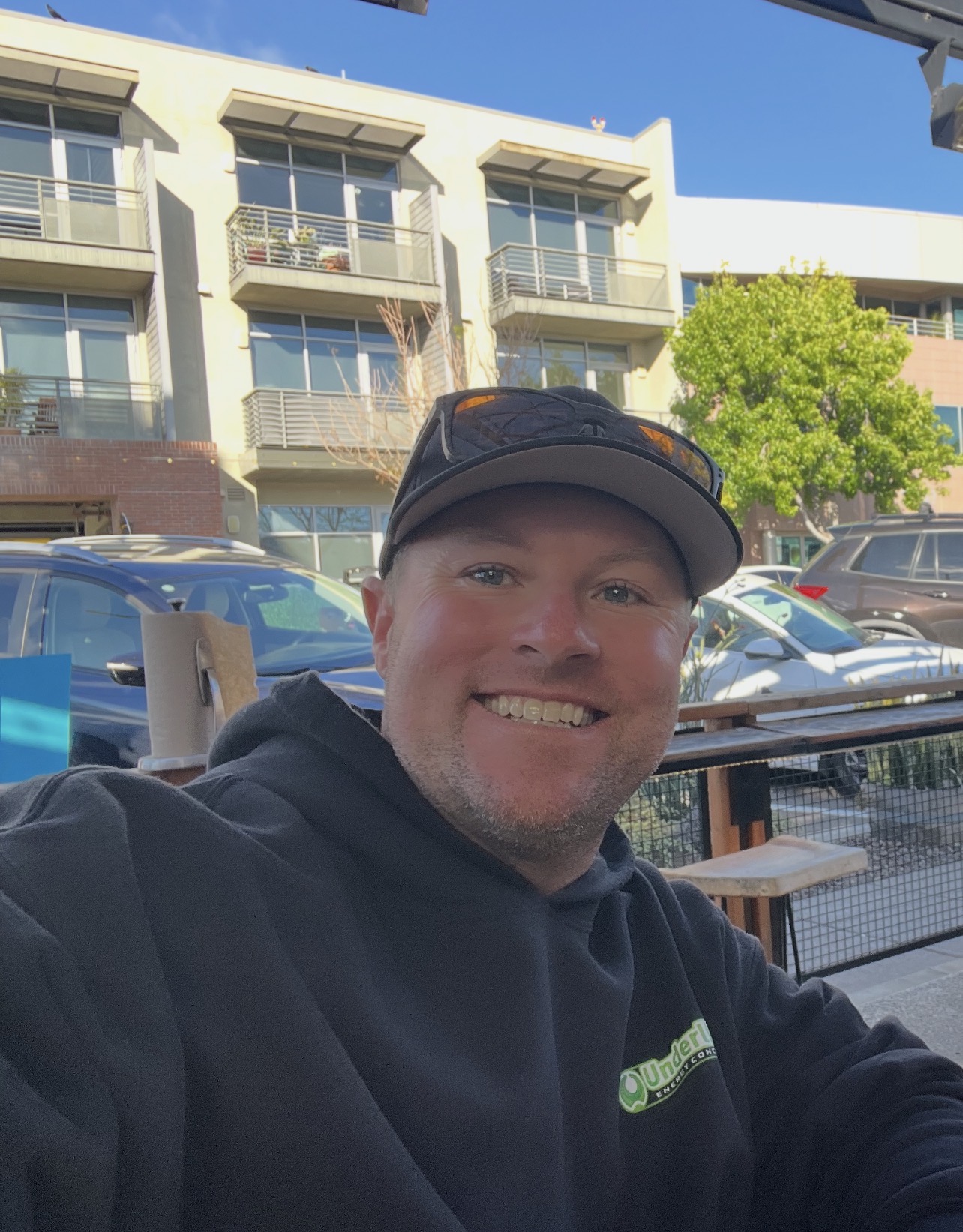
Article by
Jesse Malone
Jesse Malone
CEO & Partner, Underline Energy Concepts
Jesse Malone is the CEO and Partner of Underline Energy Concepts, a Southern California energy services company that has been serving homeowners since 2002. Since joining the company and becoming a partner in approximately 2015, Jesse has helped lead its growth into one of Southern California’s most trusted providers of residential energy efficiency and home improvement solutions.
Throughout his tenure, Jesse and the Underline Energy team have completed more than 2,500 energy upgrade projects for homeowners across Southern California. These projects include solar energy systems, roofing, battery storage, EV charging stations, electrical panel upgrades, water heater replacements, attic insulation, retrofit windows, and other energy-efficient home improvements designed to lower utility costs and increase property value.
Jesse holds a Bachelor’s Degree from California Southern University and brings more than 20 years of experience in emergency services through his service with the fire department. His background in public service has shaped his leadership style, emphasizing integrity, accountability, safety, and a commitment to serving the community.
A lifelong advocate for efficiency and practical solutions, Jesse is passionate about helping homeowners make informed decisions that improve both their homes and their financial future. His interests extend beyond energy efficiency into financial literacy, budgeting, investing, and long-term wealth-building strategies. He believes that reducing unnecessary expenses and maximizing efficiency are key components of financial success.
As CEO, Jesse continues to focus on delivering exceptional customer experiences, building high-performing teams, and helping Southern California homeowners achieve greater comfort, energy independence, and long-term savings through smart home investments.
Did you know that switching from a standard air conditioner to a high-efficiency ventilation system can slash your cooling-related electricity usage by up to 90%? Many Southern California homeowners feel trapped by climbing Southern California Edison bills and the stale, allergen-heavy air that settles in during a heatwave. A professional QuietCool fan installation offers a powerful way to reclaim your autonomy from the grid. It's a common-sense upgrade that replaces expensive, recycled air with fresh outdoor breezes for pennies on the dollar.
We agree that you shouldn't have to choose between financial stability and a comfortable home. This guide will show you how the newest 2026 QuietCool systems provide whisper-quiet cooling while exchanging your home’s air 15 to 20 times per hour. We will preview the latest Title 24 compliance standards, highlight available local rebates, and explain why this investment typically pays for itself within two to four years. By the end of this article, you'll have a clear roadmap to a cooler, healthier, and more energy-independent Southern California home.
Key Takeaways
- Learn how a professional QuietCool fan installation can slash your cooling costs by up to 90% while flushing out stale indoor air and allergens.
- Discover the science of "Thermal Mass Cooling" and why cooling your home's structure is more effective than just running the AC.
- Understand the vital importance of correct CFM sizing and attic ventilation to ensure your system operates at peak efficiency.
- Identify why professional electrical oversight is necessary to protect your home's wiring and ensure your panel can handle the new load.
- Explore how pairing a whole house fan with solar and battery backup creates a path toward true energy autonomy in Southern California.
Mastering the SoCal Heat: Why QuietCool Fan Installation is a Strategic Investment
In Southern California, the heat isn't just in the air; it's trapped in your walls. Standard air conditioning often fights a losing battle by only cooling the indoor air while your attic and framing remain scorched. A professional QuietCool fan installation changes the strategy entirely. It's a high-efficiency ventilation system designed to pull massive volumes of cool, outdoor air through your home and out your attic vents. Understanding what a whole-house fan is helps homeowners see it as more than just a fan; it's a structural cooling asset that works with the local climate.
Most people think about cooling air, but the real enemy is thermal mass. During a typical Lake Elsinore or Temecula summer day, your home’s wood, drywall, and furniture soak up heat. Even after the sun goes down, that stored heat radiates back into your rooms, forcing the AC to run all night. QuietCool utilizes thermal mass cooling to strip heat directly from the structure itself. By running the system during the evening, you flush out the hot air and replace it with cool night air. This effectively pre-cools your home for the next day.
This night flushing technique is essential for the specific heat cycles we face in Riverside County. When the outdoor temperature drops below the indoor temperature, usually in the late evening, the fan pulls that crisp air in. It allows you to turn off the compressor and let nature do the work. It's a common-sense solution for our region's diurnal temperature swings.
Beating the SCE Time-of-Use (TOU) Rates
Southern California Edison (SCE) customers know that electricity is most expensive between 4 PM and 9 PM. This is exactly when your home is hottest and your AC works hardest. By opting for a QuietCool fan installation, you can often delay or entirely skip AC usage during these expensive peak hours. This shift in energy load is why many homeowners see a 50% to 90% reduction in their cooling costs. You should also check for available SCE rebates that make these energy-efficient upgrades even more affordable for local families.
Improving Indoor Air Quality and Health
Efficiency isn't the only benefit. A QuietCool system provides between 15 and 22 complete air exchanges every hour. This rapid movement flushes out volatile organic compounds (VOCs), pet dander, and stale odors that get trapped in modern, airtight homes. In the context of whole-home ventilation, Indoor Air Quality refers to the purity and freshness of the air circulating within your living space. It's about creating a home environment that breathes as naturally as you do, ensuring your family stays healthy while staying cool.
Sizing and Selection: Finding the Right QuietCool System for Your Square Footage
Choosing the right unit for your QuietCool fan installation isn't about picking the biggest motor on the shelf. It requires a calculated approach to airflow, measured in Cubic Feet per Minute (CFM). CFM represents the volume of air the system moves every sixty seconds. If the CFM is too low, you won't achieve the rapid air exchanges needed to flush out heat. If it's too high without proper venting, you create unnecessary noise and pressure. According to this DOE Technology Fact Sheet, properly sized ventilation systems are significantly more cost-effective than traditional AC for regional cooling.
At Underline Energy Concepts, we prioritize the Professional Series, including the Stealth Pro and Trident Pro models. While retail models exist, they often lack the heavy-duty components and specialized dampening systems found in the Pro lines. These professional-grade units are built for longevity and whisper-quiet operation, ensuring your investment lasts for decades rather than just a few seasons. We believe in doing the job once and doing it right.
Calculating Your Home’s CFM Requirements
To find your ideal CFM, start with a simple formula: multiply your home's total square footage by two or three. Use a multiplier of three if you have vaulted ceilings or large open floor plans common in newer Temecula and Murrieta developments. For example, a 2,500-square-foot home typically needs between 5,000 and 7,500 CFM. In larger Southern California estates, we often recommend a multi-fan approach. Installing smaller units in individual bedrooms allows for zoned cooling, providing better control than one massive central fan. Don't be tempted to oversize a single fan; excessive airflow without balanced intake can cause air pressure imbalances that pull dust or fireplace soot into your living space.
Attic Ventilation: The Often Forgotten Half of the Equation
A whole house fan is only as good as its exhaust path. If the air has nowhere to go, the fan will struggle, vibrate, and fail to cool. This is why we focus on "Net Free Vent Area" (NFVA). The industry standard requires 1 square foot of net free vent area for every 750 CFM of fan power. Most standard attic vents are insufficient for high-performance fans. As an experienced roofing and solar installation company, we ensure that your roof's integrity remains intact while adding the necessary O'Hagin vents or gable louvers to meet these requirements.
Getting the sizing right is a balance of science and local experience. If you're ready to see which system fits your home's unique layout, we invite you to speak with one of our local experts for a personalized assessment.

Professional vs. DIY: The Risks of Improper Attic Ventilation and Wiring
It's tempting to look at a YouTube tutorial and think a QuietCool fan installation is a simple weekend project. While the concept of moving air is straightforward, the execution requires precise mechanical and electrical knowledge. A common DIY mistake involves mounting the fan motor directly to the home's framing. Professional installers use a specialized acoustic duct suspension system. This floating design decouples the motor from your ceiling joists, which prevents the vibration and "thumping" noise associated with older whole house fans. Without this specific suspension, your high-tech cooling system will sound like a lawnmower in your attic.
Beyond the noise, there are significant liability and warranty concerns. QuietCool’s industry-leading warranties often require proof of professional installation to remain valid. If a DIY install leads to a roof leak or an electrical short, you're responsible for the repair costs. Working with a licensed team like Underline Energy Concepts protects your investment and ensures the system performs exactly as engineered for the next twenty years.
California Fire Code and Attic Vent Upgrades
Living in Southern California means staying vigilant about wildfire risks. Many homes in Riverside and San Diego counties are located in Wildland-Urban Interface (WUI) zones. These areas have strict requirements for attic ventilation to prevent wind-blown embers from entering your home. When we perform a QuietCool fan installation, we don't just add more holes in your roof. We update your ventilation to meet current California fire codes using ember-resistant vents. Proper fire-rated venting is a safety requirement for your family's protection, not an optional upgrade. We ensure your home stays cool without compromising its defense against local fire hazards.
Electrical Integrity and Panel Capacity
Modern whole house fans are incredibly efficient, but they still require a dedicated circuit to operate safely. If your home still uses an older 100-amp electrical panel, adding a high-performance fan along with your existing appliances can lead to tripped breakers or overheated wiring. During our assessment, we determine if your system can handle the load or if you need an electric panel upgrade for solar and energy-efficient appliances. We also handle the technical side of RF Switch pairing and Smart Control integration. This allows you to control your home's climate through a wireless remote or a smartphone app, ensuring your transition to high-efficiency cooling is seamless and safe.
The Installation Process: What to Expect During Your QuietCool Project
A professional QuietCool fan installation usually takes between four and six hours from start to finish. We don't believe in the "two-hour" shortcuts often advertised elsewhere because quality ventilation requires precision. As a local Lake Elsinore company, we treat your property with the respect it deserves. Our technicians begin by laying down drop cloths and setting up dust mitigation stations before any work starts. Keeping your home clean is a core part of our service. We also perform a critical safety check for "backdrafting." This ensures that your water heater or furnace exhaust isn't pulled back into the living space when the fan is running at full power.
Step 1: Strategic Siting and Joist Inspection
We begin by identifying the optimal location for the intake grill. Physics dictates that the central high point of your home is usually the most effective spot for drawing out trapped warm air. We carefully inspect your ceiling joists to ensure the damper box fits perfectly between standard 16-inch or 24-inch on-center framing. Our technicians are trained to navigate around existing HVAC ducting and plumbing lines. This strategic planning prevents structural interference and ensures the fan can pull air from every corner of the house effectively.
Step 2: Suspension and Ducting Optimization
The "Quiet" in QuietCool comes from the patented gravity-fed suspension system. Instead of bolting the fan motor directly to the wood framing, we secure it to the rafters using heavy-duty, vibration-dampening straps. This floating design eliminates the humming and thumping sounds common in older systems. We also focus on ducting optimization. We ensure the acoustic duct is fully extended to its maximum length. Bunched-up ducting creates air turbulence and noise; a fully extended duct guarantees the smooth, whisper-quiet airflow you expect from a premium installation.
Step 3: Control Integration and Testing
Once the hardware is secure, we integrate your chosen controls. This might involve a wall-mounted RF switch or a Wi-Fi hub for smartphone and smart home connectivity. We then conduct a visual "Tissue Test" to demonstrate the system's power. By placing a single tissue against the intake grill, you can see the massive airflow being drawn into the attic. Finally, we inspect the attic insulation around the new unit to ensure no thermal gaps were created. Our employee-owned team concludes every project with a full walkthrough to ensure you're comfortable operating your new system.
We want you to feel completely confident in your home's new energy-saving equipment. If you’re ready to see how our team can transform your home comfort, schedule your professional installation consultation today.
Beyond Cooling: Integrating QuietCool with Solar and Battery Backup
A QuietCool fan installation isn't just a standalone appliance; it's a strategic component of a modern energy-independent home. When you pair high-efficiency ventilation with a solar system, you move closer to true energy autonomy. Solar panels generate the most power during the day when the sun is high, but the most effective time to cool your home's structure is during the evening and night. This is where the synergy between these technologies becomes clear. By using your own generated power to pre-cool your home, you're essentially using solar energy to provide "free" cooling for the following day.
The real magic happens when you include a whole home battery backup installation. Since a whole house fan uses about one-tenth the energy of an air conditioner, it's the perfect load to run off a battery overnight. You can keep your home fresh and cool without drawing a single watt from the utility grid during those expensive night-time hours. At Underline Energy Concepts, we specialize in QuietCool battery charge mounts. These ensure your ventilation system is seamlessly integrated into your home's power storage ecosystem, maximizing every drop of energy your roof produces.
Maximizing Solar ROI with High-Efficiency Cooling
Every time your air conditioner kicks on, it places a massive surge demand on your solar inverter and battery system. Frequent high-load events can shorten the lifespan of sensitive electronic components. By utilizing a QuietCool fan as a "load-shedding" device, you significantly reduce the strain on your infrastructure. This is especially important for homes in high-heat environments like Menifee and Winchester. We often recommend REC Solar Panels for these areas because they maintain high performance even when roof temperatures soar. Reducing the AC runtime doesn't just save money on your bill; it preserves the long-term value of your entire solar investment.
The Underline Advantage: Employee-Owned Local Expertise
We aren't just another contractor; we're your neighbors. Based in Lake Elsinore, Underline Energy Concepts has served the Inland Empire and the broader Southern California region since 2002. Our employee-owned and operated structure means that every technician who steps onto your property is personally invested in the quality of your QuietCool fan installation. We take a professional advocacy approach, which means we focus on educating you about the best solutions for your specific home layout. You deserve a partner who prioritizes long-term stability and common-sense logic over aggressive sales tactics.
If you're ready to take control of your home's climate and financial future, let's start with a comprehensive energy inspection. We'll help you design a system that maximizes comfort and minimizes costs for years to come. Contact our local team today to schedule your consultation.
Take Control of Your Home's Energy Future
A professional QuietCool fan installation is a strategic commitment to long-term financial stability and environmental responsibility. You now understand how thermal mass cooling and strategic ventilation protect your home from rising utility costs while providing a healthier living environment. By choosing a partner that understands the specific demands of Southern California fire codes and electrical panel requirements, you ensure your system operates safely and effectively for decades.
Underline Energy Concepts has been a trusted local partner since 2002. As an employee-owned company holding general, electrical, and roofing licenses, we provide the comprehensive expertise needed to integrate your cooling, solar, and battery systems perfectly. We're specialists in SoCal fire code attic upgrades, ensuring your home remains protected while it breathes. We believe in empowering our neighbors with the logic and tools to make smart decisions for their property value.
Schedule Your Free QuietCool Consultation & Energy Audit today to see how we can optimize your home for 2026 and beyond. We look forward to helping you achieve true energy independence and lasting comfort.
Frequently Asked Questions
How much can I really save on my electric bill with a QuietCool fan?
You can reduce your air conditioning-related electricity costs by 50% to 90% depending on your home's layout and your cooling habits. Because these systems use up to 90% less energy than a traditional central air conditioner, they allow you to maintain a comfortable home for just pennies per hour. This efficiency provides immediate relief from high Southern California Edison rates during the summer months.
Is a QuietCool fan loud enough to disturb my sleep?
No, a professional QuietCool fan installation operates at noise levels between 37 and 52 decibels, which is similar to the volume of a normal conversation or a quiet whisper. The patented acoustic ducting and floating suspension system ensure that motor vibrations don't transfer to your home's structure. You can enjoy a steady, cooling breeze throughout the night without the intrusive thumping sounds of older ventilation technology.
Do I need to leave my windows open for the fan to work safely?
Yes, you must open at least one or two windows to provide an intake path for the fresh outdoor air. Opening windows in the specific rooms you want to cool allows the system to pull air through those spaces and into the attic. This airflow is necessary to create the cooling effect and prevent the backdrafting of combustion gases from water heaters or furnaces.
Can a QuietCool fan replace my air conditioning entirely?
While a whole house fan can replace your AC during the evening, night, and early morning, it's designed to work as a partner to your cooling system. During the extreme heat of a Southern California afternoon, your AC remains the best tool for lowering temperatures. Once the outdoor air cools down below your indoor temperature, the fan takes over to flush out the heat and pre-cool the home for the next day.
How much attic venting is required for a QuietCool whole house fan installation?
The standard requirement is 1 square foot of net free vent area for every 750 CFM of fan airflow. Proper exhaust is essential because the hot air pulled from your living space must have a clear path to exit the attic. If your current roof or gable vents don't meet this ratio, our team installs additional fire-rated vents to ensure the system operates at peak efficiency.
What is the difference between a whole house fan and an attic fan?
A whole house fan pulls air from your living space into the attic to cool the entire home, while an attic fan only circulates air within the attic itself. Attic fans are designed to protect your roof and insulation by lowering attic temperatures, but they don't provide the direct breeze or air exchanges you feel inside the house. A whole house fan is the superior choice for active homeowner comfort and rapid cooling.
Does a QuietCool fan work during high humidity days in Southern California?
The system is most effective in the dry climate typical of the Inland Empire and local coastal valleys. While the fan still provides 15 to 22 air exchanges per hour on humid days, the "cooling" sensation is slightly less intense because moisture limits the evaporation process. It remains a valuable tool for removing stale air and odors even when the humidity rises during late summer monsoonal patterns.
Are there SCE rebates available for QuietCool installation in 2026?
Southern California Edison has historically provided rebates between $75 and $200 for energy-efficient whole house fans that meet specific CFM ratings. Some homeowners may also qualify for the Energy Savings Assistance program, which can cover broader installation costs for income-qualified households. Since rebate funding for a QuietCool fan installation can change annually, we recommend verifying the latest 2026 program status directly with SCE during your project planning.